
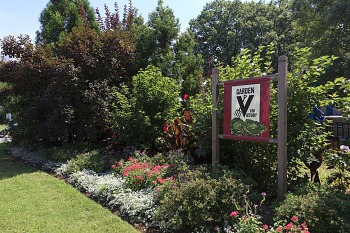
A Smithsonian Libraryhttps://library.si.edu/exhibition/cultivating-americas-gardens/gardening-for-the-common-good
Last week’s discussion explored the silliness of buying and discarding plastic, and how to STOP. Reader’s comments that they reuse glass jars instead, does make more sense and I’ve adopted the practice.
My friend, Pat, suggested buying laundry detergent sheets on line. She’s mentioned this before, and now I’m ready to listen. Those huge plastic containers are difficult to lift, store, and estimates say; take 450 years to decompose in a landfill. Carol, my Wordle consort, said fabric softener sheets are the way to go.
Clean People offers both laundry and softener sheets at reasonable prices on line.
But when Johanna quoted a daughter-in-law’s plea “TO SAVE THE PLANET,” I conjured numerous images in my head. Eleanor Roosevelt was among them, and although she crusaded for many causes her Victory Garden stands out for me.
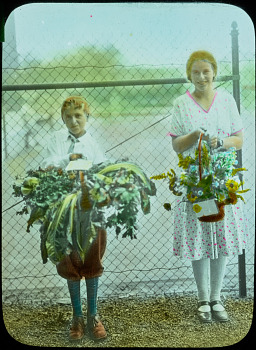
“Victory gardens (originally called war gardens or liberty gardens) made their first appearance during World War I (1914–1918). President Woodrow Wilson called on Americans to plant vegetable gardens to ward off the possible threat of food shortages. Americans took up the challenge as a civic and patriotic duty.”
The idea wasn’t new, but Eleanor gave it momentum because people began one by one to plant a garden. And nosy neighbors, not wanting to be unpatriotic planted one too.
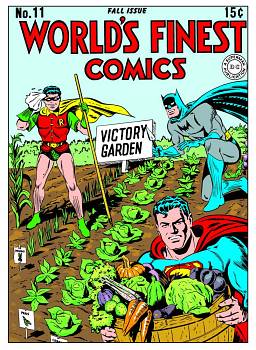
“In 1943, with World War II underway, First Lady Eleanor Roosevelt had a victory garden planted on the front lawn of the White House—just one of the millions of victory gardens planted that year. Staged photographs in seed catalogs and instructional manuals often showed women and children tending victory gardens. The message: abundant yields were possible for any aspiring gardener. Today, the Smithsonian’s Victory Garden flourishes on the 12th Street side of the National Museum of American History. In the summer, the garden showcases heirloom varieties of flowers and vegetables that were available to gardeners during World War II.”
There are numerous Save the Planet organizations. All of them do good work, but none have resulted in a grass roots effort to get us to STOP USING PLASTIC. Perhaps we can do we can spread the word.
. . . just saying
P.S. Please don’t look to me for a Victory Garden, in Florida the soil is sand, and if the deer don’t eat it a rabbit of bug will.
You don’t need a WordPress account to comment. Write your comment in the box below or click on the caption icon to the right of the title above. Ignore requests for a name/ username and press post or save. Your comment will be posted anonymously. Please follow me to receive notification of new posts
 Seriously Just Saying
Recent Comments